How Aluminum Foundries Contribute to Numerous Industries: An Extensive Overview
Light weight aluminum factories function as vital suppliers throughout multiple sectors, consisting of automotive, aerospace, building and construction, and electronic devices. They generate parts that are not only light-weight yet likewise resilient, enhancing the efficiency of various products. With advanced casting strategies and a dedication to sustainability, these shops are adapting to satisfy evolving industry needs. As they innovate, the impact of aluminum castings on different applications increases crucial questions about the future of production. What lies ahead for this important sector?
The Duty of Aluminum Foundries in the Automotive Sector
As the auto sector progressively embraces light-weight materials to enhance fuel effectiveness and efficiency, light weight aluminum foundries play an essential role in this development. These centers concentrate on the manufacturing of light weight aluminum spreadings, which are crucial elements in modern-day lorries. By giving high-strength, lightweight components, aluminum factories allow makers to lower the overall weight of automobiles, ultimately resulting in boosted fuel economic climate and decreased exhausts.
Light weight aluminum's resistance to corrosion additionally boosts vehicle longevity, making it an attractive choice for car manufacturers. Factories make use of sophisticated methods such as die casting and sand spreading to produce elaborate and accurate components, making sure that they fulfill stringent market standards. Furthermore, the capacity to recycle aluminum successfully adds to a more lasting manufacturing process. As the automotive market proceeds to innovate, aluminum factories will certainly remain critical in providing the materials needed for the following generation of automobiles, sustaining both efficiency and environmental goals.
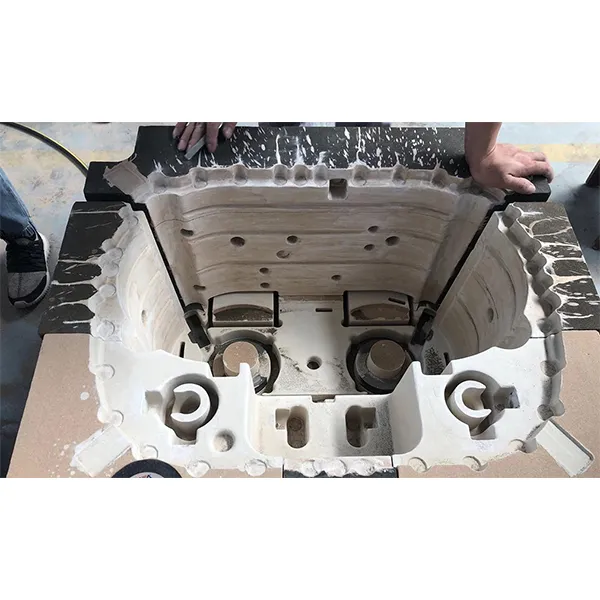
Aerospace Applications of Aluminum Castings
Light weight aluminum castings are important to the aerospace industry, providing a combination of lightweight strength and longevity that is vital for aircraft performance. These spreadings are utilized in various elements, such as engine parts, structural frameworks, and touchdown equipment, where weight reduction is critical for fuel effectiveness and total safety and security. The flexibility of light weight aluminum allows for intricate geometries that enhance aerodynamic performance while keeping structural honesty.
Additionally, innovations in casting technologies have boosted the accuracy and surface area coating of light weight aluminum parts, lowering the need for comprehensive post-processing. This efficiency not just increases manufacturing timelines yet additionally decreases expenses, making aluminum an appealing selection for makers. The corrosion resistance of light weight aluminum warranties durability and integrity in rough operating settings, additionally establishing its role in aerospace applications. As the sector advances, light weight aluminum castings remain to be a vital material, driving innovation and supporting the growth of next-generation aircraft.
Building Market Technologies Via Aluminum
The building sector has actually significantly taken on aluminum because of its light-weight residential or commercial properties and adaptability, paralleling its effective applications in aerospace. Innovations in light weight aluminum style have led to stronger, a lot more effective structures, making it possible for architects and builders to explore new opportunities. The product's resistance to rust and low maintenance needs make it especially appealing for both property and industrial tasks.
Light weight aluminum's flexibility helps with the production of intricate styles, allowing for aesthetic enhancements that were previously challenging with traditional materials. Prefabrication techniques have likewise progressed, making use of aluminum to reduce construction time and expenses considerably. Additionally, the energy effectiveness of aluminum systems-- such as window frameworks and roofing-- adds to sustainable structure methods, aligning with contemporary environmental standards. As the building and construction market remains to welcome these advancements, light weight aluminum's role is expected to broaden, driving more advancement and contributing to the development of durable facilities.
Electronic devices and the Demand for Lightweight Light Weight Aluminum Parts
With the rapid innovation of technology, the demand for light-weight aluminum parts in the electronic devices sector has risen. As tools end up being a lot more small and portable, suppliers look for products that offer both toughness and weight decrease. Light weight aluminum, with its outstanding strength-to-weight proportion, has become a recommended choice for components such as cases, heat sinks, and architectural assistances.
The usage of aluminum not only enhances product performance yet likewise adds to energy performance, as lighter gadgets require less power during operation. Additionally, light weight aluminum's exceptional conductivity makes it ideal for digital applications, ensuring reliable warm dissipation and decreasing the risk of overheating.
As consumer choices change in the direction of lightweight and streamlined devices, light weight aluminum factories play an essential function in meeting the evolving demands of the electronic devices market (Aluminum Foundry). Their ability to generate premium and exact light weight aluminum elements supports innovation, enabling makers to press the boundaries of sites design and functionality
Lasting Practices in Light Weight Aluminum Foundries
As the electronics sector increasingly focuses on sustainability, aluminum foundries are adjusting their methods to line up with these ecological goals. Several shops are implementing recycling programs that recover light weight aluminum scrap, substantially decreasing the requirement for resources and reducing waste. By using energy-efficient modern technologies, these facilities are decreasing their carbon impact; as an example, utilizing electrical heating systems rather than traditional gas-fired ones can result in considerable power cost savings.
Additionally, light weight aluminum foundries are investing in water preservation actions, such as closed-loop systems that recycle water utilized in cooling down processes. These techniques not just reduced water intake yet also alleviate the ecological effect related to wastewater discharge. Furthermore, several factories are checking out sustainable energy resources, such as solar and wind power, to satisfy their energy requires sustainably. Through these initiatives, aluminum factories exhibit a dedication to environmental stewardship while remaining to meet the needs of the electronics industry.
Future Fads in Aluminum Foundry Technologies
Emerging innovations are poised to change aluminum shops, enhancing efficiency and item high quality while progressing sustainability initiatives. Developments such as expert system and machine learning are expected to enhance production procedures by anticipating tools failures and boosting resource allowance. The combination of innovative robotics will certainly improve operations, decreasing labor expenses and lessening human mistake.
Additive manufacturing, or 3D printing, is also acquiring traction, enabling the manufacturing of complex geometries that were previously unattainable with typical methods. This shift could lead to considerable material financial savings and decreased waste. Furthermore, clever shops utilizing IoT (Net of Points) technologies will make it possible for real-time surveillance and information evaluation, fostering aggressive decision-making.
Lastly, the fostering of cleaner melting innovations and reusing strategies will certainly further reduce the environmental footprint of light weight aluminum shops, making them extra lasting. Jointly, these trends indicate a future where aluminum shops can run with greater efficiency and responsibility.
Frequently Asked Concerns
What Are the Environmental Effects of Light Weight Aluminum Foundries?

Exactly How Do Foundries Guarantee High Quality Control in Aluminum Spreading?
Factories guarantee top quality control in light weight aluminum casting link by executing rigorous assessment procedures, utilizing innovative innovation, conducting normal product screening, and adhering to industry standards, thereby keeping consistency and integrity in their completed items. aluminum casting.
What Is the Typical Life-span of Aluminum Cast Parts?
The typical life expectancy of aluminum cast parts typically varies from 10 to 50 years, relying on elements such as ecological problems, use, and maintenance. Correct care can considerably improve their toughness and performance over time.
How Are Aluminum Alloys Selected for Details Applications?
Aluminum alloys are selected based on factors such as strength, corrosion resistance, weight, and thermal conductivity. Designers evaluate the particular demands of applications to identify the most suitable alloy for best performance and longevity.
What Are the Security Regulations for Aluminum Foundry Employees?
Security policies for light weight aluminum foundry workers consist of individual protective devices requireds, ventilation requirements, direct exposure restrictions to hazardous materials, and methods for taking care of liquified metal. Compliance warranties worker safety and minimizes health and wellness risks connected with foundry operations.
As the auto market increasingly accepts lightweight products view it to enhance gas effectiveness and efficiency, light weight aluminum factories play an essential function in this evolution. As consumer preferences shift towards lightweight and smooth devices, light weight aluminum factories play a vital function in satisfying the evolving demands of the electronics market. As the electronics sector progressively focuses on sustainability, aluminum foundries are adjusting their methods to line up with these environmental objectives. Many factories are applying reusing programs that recover aluminum scrap, significantly minimizing the requirement for raw products and minimizing waste. Security policies for aluminum factory employees include personal protective devices requireds, ventilation demands, exposure limits to harmful materials, and protocols for taking care of molten steel.
Comments on “Aluminum Casting Company solutions for large-scale manufacturing projects”